
-
A colleague once showed me a prompt he was unusually proud of. It was almost two pages long—headings, rules, role descriptions, forbidden phrases and a stern warning that the AI must “think carefully before responding.” He called it his master prompt. It worked for three weeks. Then the team changed the kind of report they…
-

A developer once told me security was “the infrastructure team’s problem.” He said this while sharing an API key in a Slack channel. Nothing dramatic happened. The message was deleted a few minutes later. But that moment stayed with me because it captures how many people in tech think about security. They treat it as…
-

A friend built an employee leave tracker over a weekend. He wasn’t a developer. He described the screens to an AI coding tool, copied a few error messages back into the chat, and kept clicking “accept” whenever new code appeared. By Sunday evening, the app looked surprisingly good. Employees could request leave. Managers could approve…
-
A few months ago, someone showed me an AI setup running entirely on his laptop. No browser tab, no account, no monthly subscription. He disconnected the Wi-Fi with the confidence usually reserved for magic tricks, asked it to summarise a contract, and waited. The laptop fan became emotionally involved. The answer arrived. It was decent—not…
-

The first time I used an API, I thought I had misunderstood the assignment. I was building a tiny page that showed GitHub activity. I wrote a few lines, sent a request, and suddenly somebody else’s data appeared inside my app. That was it? I had expected more ceremony. Instead, my code asked a question…
-
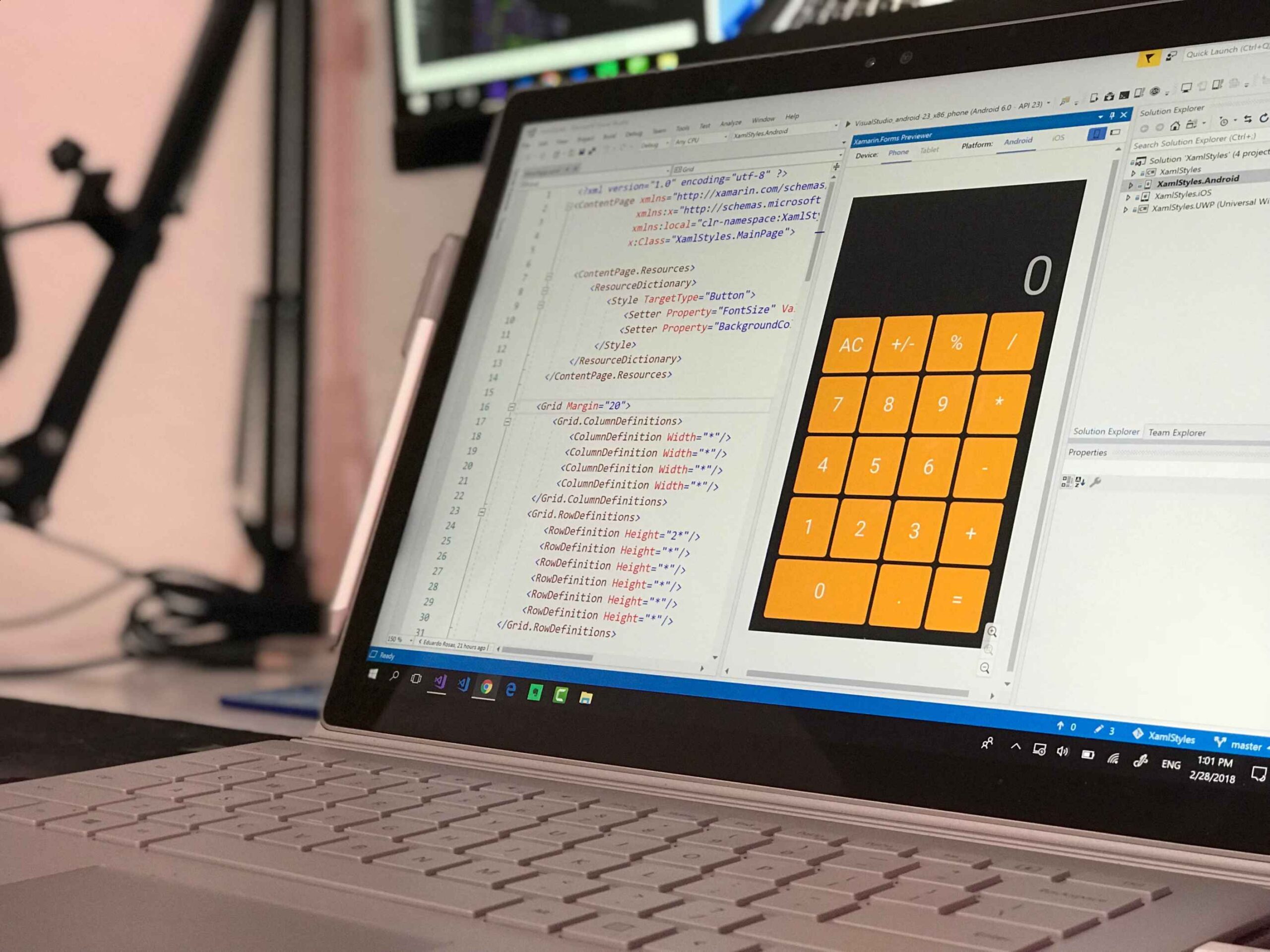
A developer I know used an AI coding assistant to add a download button to an internal dashboard. It created the button, connected the data and produced a neat CSV file in about ten minutes. Everyone was pleased until finance opened the file and noticed it included records from every customer, not only the account…
-
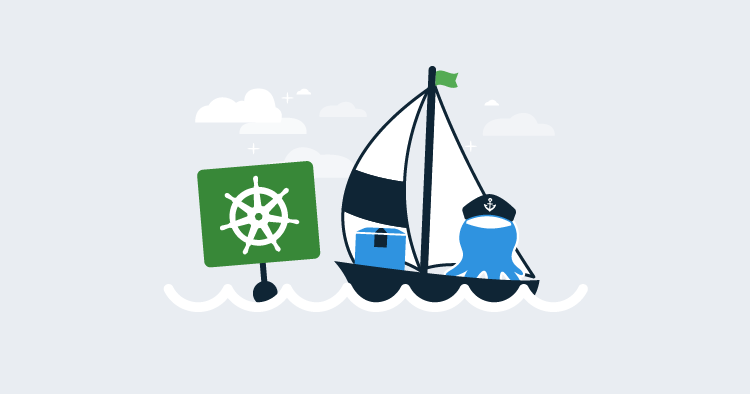
Kubernetes made no sense to me the first few times somebody explained it. The explanation always began calmly and then filled with pods, nodes, clusters, deployments, services and orchestration. After ten minutes, I understood every individual word and absolutely nothing about why a company would want the thing. Then I watched a small team operate…
-

The most interesting technology story of 2026 is not that computers suddenly became intelligent. It is that companies became less impressed. A few years ago, an AI demo could draw an astronaut or produce code, and everyone gathered around. Now a manager asks a less romantic question: how many hours will this save next month?…
-

A photo-editing app once asked for access to every photo on my phone. I wanted to remove a shadow from one image. The request felt absurd, but the Allow button was large, the alternative required another screen, and I was in a hurry. That is how many privacy decisions happen. Not after careful thought. Not…
-
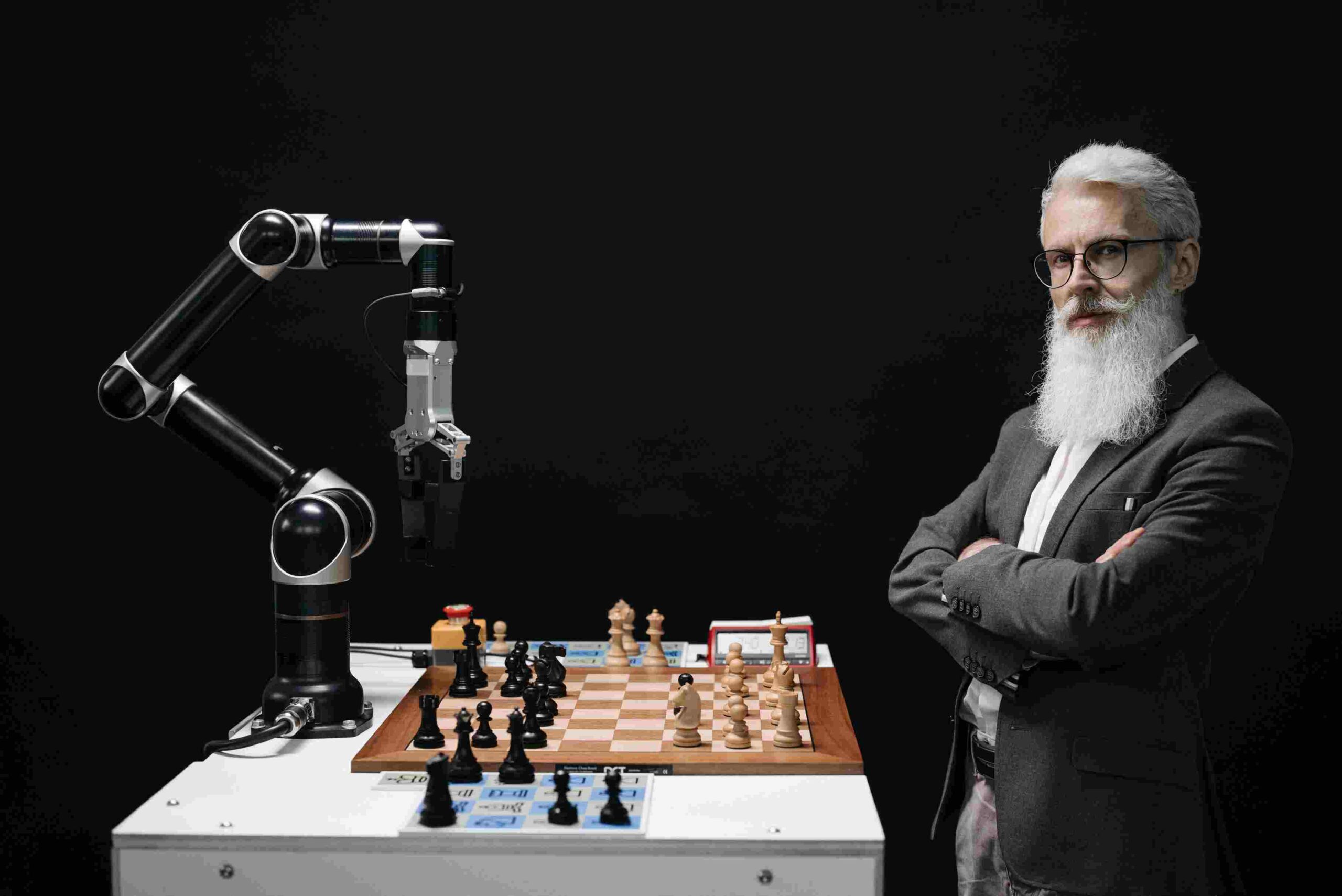
For the first few years of the generative AI boom, the arrangement was simple. You asked a question. The AI answered. Then everyone went back to doing the actual work. Now AI systems are asking for access to calendars, files, email, browsers, databases and business tools. They do not merely want to suggest the next…