
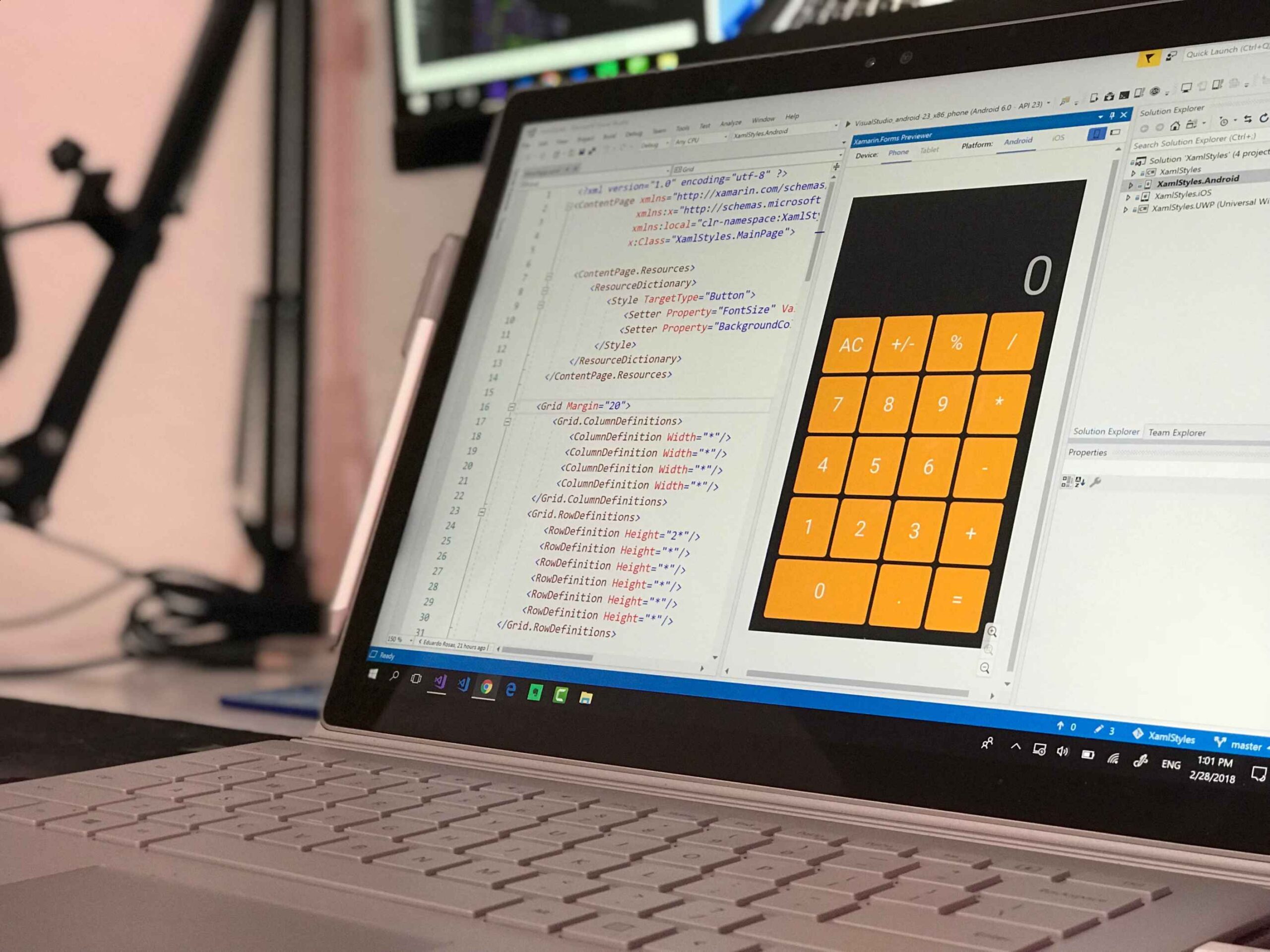
A developer I know used an AI coding assistant to add a download button to an internal dashboard. It created the button, connected the data and produced a neat CSV file in about ten minutes. Everyone was pleased until finance opened the file and noticed it included records from every customer, not only the account on screen.
The code worked. That sentence has become much less comforting.
AI coding assistants are changing software development, but not because they can type faster than people. Typing was never the hardest part. Their real effect is that they let us produce a large amount of believable code before anyone has fully understood the problem.
That can be wonderful. It can also become expensive surprisingly quickly.
The blank file has lost some of its power
Starting a feature used to involve a familiar period of staring. You opened an empty file, searched the documentation, checked how another part of the project handled the same problem and tried to remember which library version the team was using.
Now you can describe the rough feature and get a first version immediately.
I like this more than some developers admit. A blank file creates friction. Once something exists, even if it is clumsy, you can react to it. Rename the function. Remove the extra abstraction. Point out that the error handling is terrible. Progress becomes an editing problem rather than a starting problem.
I treat generated code like a rushed draft from a clever colleague: useful, confident and not yet trusted.
Old code may be where AI earns its salary
Everyone talks about AI writing new code. I think explaining old code is often the better use.
Most professional developers do not spend their days creating clean projects from scratch. They enter systems that have existed for years. Some files were written by people who left the company. Some comments describe services that no longer exist. A function called temporaryFix has been running in production since 2021 and has somehow become business-critical.
An assistant can trace where a value comes from, summarise what a module appears to do and point toward the files that affect a feature. It may be wrong, so you still check. But it can give you a map before you begin walking.
A new team member can also ask basic questions without worrying that Slack is judging them. That is not a glamorous advantage. It is a real one.
Beginners become fast before they become careful
This is where I get uneasy.
A beginner can now build a login screen, connect a database and deploy an app before learning why any of it works. Success arrives before understanding, which feels encouraging. Programming has spent decades making newcomers suffer through setup problems that teach very little.
But when the generated code fails, the beginner may have no idea where to begin. So the error goes back into the assistant. It changes five files. A new error appears. Another change follows. After an hour, the project works again, but nobody knows what repaired it.
AI should shorten the learning loop, not remove the learning.
Ask why the change works. Make the tool explain unfamiliar lines. Change one small thing and see what breaks. Keep a working version before accepting a large edit. Curiosity still has to be present, otherwise the project becomes a stack of decisions you cannot defend.
Senior developers are not being replaced by autocomplete
Experienced engineers benefit too, though not always in the obvious way.
They can generate routine tests, convert data formats, draft documentation and explore an unfamiliar library. That saves time. Nobody becomes a senior engineer because they enjoy writing the seventh version of the same validation function.
The senior part begins when the choices become unpleasant.
Should this service be separate or remain inside the existing application? Is the faster solution worth the operational cost? What happens if the vendor changes its API? Which customer data is allowed to appear in logs? How do we reverse the migration if Friday goes badly?
An AI assistant can discuss these questions. It cannot own the consequences.
Companies do not merely need code. They need systems that remain understandable when the original developer is on leave and a customer cannot complete a payment.
Review is about to become the bottleneck
AI makes code cheap to produce. Review does not become cheap with it.
A developer can now submit a much larger change in less time. The code may look tidy, include comments and pass the obvious tests. It may also contain assumptions copied from patterns that do not fit this particular system.
Large, clean-looking changes encourage trust. That worries me more than messy code because mess makes reviewers cautious.
I would rather receive a small imperfect change with clear reasoning than a thousand polished lines accompanied by “generated with AI, seems fine.” Reviewers need context: what problem was solved, what alternatives were considered, what was tested and which parts deserve extra scrutiny.
The assistant can generate tests too. A test written by the same system that misunderstood the requirement may simply confirm its own misunderstanding.
The job is moving slightly upward
Software development is becoming less about manually producing every instruction and more about directing, checking and connecting pieces.
That does not make programming easy. It changes where the difficulty sits.
Clear requirements become more valuable. Debugging matters more because there is more code to debug. System design matters because generated convenience can spread a weak decision across an application very quickly. Communication becomes technical skill, since the person who describes the real problem clearly usually gets better results from humans and machines.
If your only advantage was remembering syntax, AI is uncomfortable.
If your advantage is understanding customers, spotting weak assumptions and knowing what reliable software looks like, the tool is useful.
Use it where you can check it
My rule is ordinary: give AI work whose result you can inspect.
A draft test. A small function. An explanation of unfamiliar code. A migration plan that will be reviewed. These are reasonable places to begin.
I become cautious when the output touches authentication, payments, permissions, personal data or infrastructure nobody on the team understands. AI can still help there, but “the tool suggested it” is not evidence.
That download button was fixed. The developer added proper access checks, wrote tests for different customer accounts and documented the data flow.
The assistant generated some of that code too.
This time, somebody read it.