
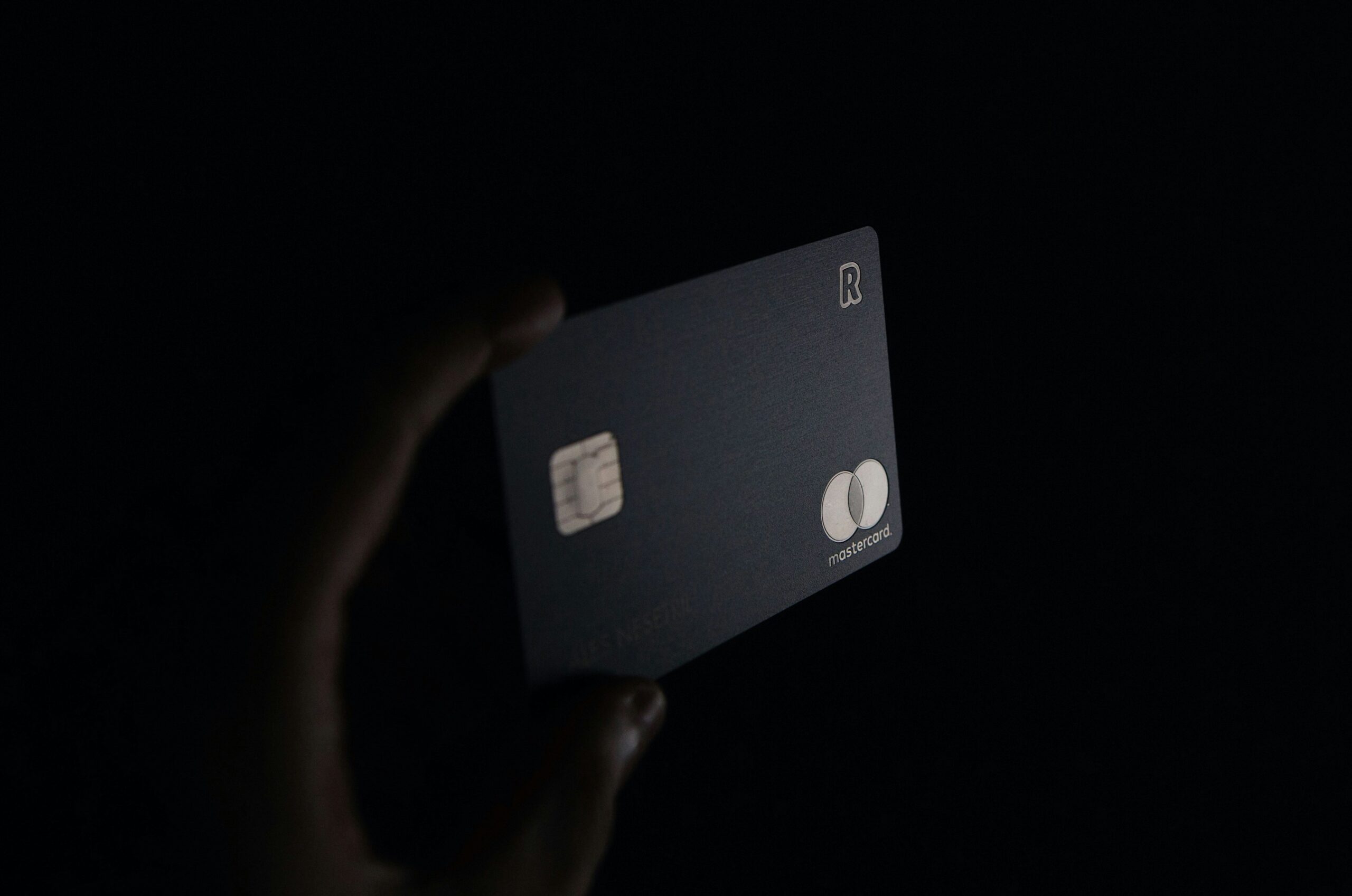
I used to hesitate before saving a card in an app.
The mental picture was simple: the company would store my card number in a database, and one day that database might appear in a breach notification.
Sometimes that is still close to reality.
Increasingly, though, payment systems try not to pass the real card number around more than necessary. They use tokens — substitute values that can represent a card for a particular device, merchant or payment context.
This is one of those security improvements that works best when the user barely notices it.
You tap a phone. The payment succeeds.
The interesting part is what did not happen.
The shop may never receive the number printed on the physical card.
Card numbers were asked to do too much
A payment-card number is an odd credential.
It identifies the account and, historically, has also acted as part of the information needed to charge it. Then we printed the number on the card and gave it to every merchant where we wanted to buy something.
That is not an ideal secret.
Online shopping made the situation stranger. Card numbers moved through websites, mobile apps, call centres and payment processors. Companies had to protect them, and attackers knew the data had value.
Tokenisation reduces the number of places where the real number needs to exist.
Instead of handing every system the sensitive original, the payment network or processor provides a replacement token.
If that token is stolen, its usefulness may be limited by where and how it can be used.
Mobile wallets show the idea nicely
When you add a payment card to a modern mobile wallet, the wallet can use a device-specific payment credential rather than repeatedly presenting the physical card number.
At the checkout terminal, the phone provides a tokenised value and transaction-specific security information.
The experience is simpler for the user.
The security design underneath is more complicated.
This is a pattern I like.
Good security should often move complexity away from the person paying.
You should not need to understand cryptography before buying coffee.
You should still lock the phone.
Merchants benefit too
Businesses do not enjoy handling sensitive card data.
Every system that stores or processes real payment details expands security obligations. More data means more controls, audits and consequences if something goes wrong.
Using a trusted payment processor and tokenised payment methods can reduce the amount of card information the merchant’s own systems touch.
That does not eliminate responsibility.
A compromised checkout page can still redirect payments or steal other information. Customer accounts can still be taken over. Refund fraud still exists.
But reducing sensitive data is one of the oldest useful security ideas.
You cannot leak a card number you never stored.
Tokens are not all the same
The word “token” gets used casually.
One token may represent a card only for a particular merchant. Another may be tied to a device. Some systems use tokens internally while the merchant still handles parts of the original card data.
The details depend on the payment architecture.
For ordinary users, the practical point is that tokenisation can limit how useful stolen payment information is outside the intended context.
For businesses, the details matter much more.
Do not build a payment system based on the assumption that “we use tokens, therefore compliance is solved.”
Ask the processor exactly what data flows through your application and what remains your responsibility.
Payments punish vague architecture.
Subscriptions make tokens especially useful
Subscription businesses need a way to charge customers again next month.
Storing raw card numbers creates risk.
A processor can instead store the sensitive payment details and give the merchant a token representing that customer’s payment method.
The merchant stores the token.
When renewal arrives, the application sends the token to the processor, which knows which underlying payment method it represents.
This separates business logic from card storage.
It also creates dependence on the processor, which is not necessarily bad.
Companies sometimes chase portability so aggressively that they end up owning security problems they could have delegated.
I would rather be slightly dependent on a competent payment provider than personally responsible for a database full of card numbers.
Fraud does not disappear
Tokenisation protects certain kinds of payment data exposure.
It does not stop someone from tricking a user into approving a transfer. It does not prevent account takeover. It does not guarantee a merchant is legitimate.
A scammer can still charge you through a completely valid tokenised payment flow.
Security technologies solve categories of problems, not human behaviour as a whole.
This is why banks still monitor transactions, merchants still manage fraud and users still need to notice suspicious payment requests.
I get nervous when one security feature is marketed as “fraud-proof.”
Fraud is creative because money is motivating.
Virtual cards push the idea further
Some banks and payment services offer virtual card numbers for online purchases.
These can be separate from the number on the physical card and may support merchant-specific or temporary credentials.
I like virtual cards for subscriptions and unfamiliar merchants because they create boundaries.
If one merchant is compromised, I would rather replace a virtual credential than the card used everywhere else.
The feature is not available in every country or bank, and implementations differ.
Still, the direction is sensible: stop using one permanent number as a universal payment identity.
The internet taught us that reusable secrets eventually become copied secrets.
Receipts and disputes still need clarity
When the payment credential becomes abstract, users need clear records.
Which card funded the transaction? Which merchant token was used? What happens if the phone is lost? How do refunds work?
Good payment systems hide complexity during checkout and reveal enough during support.
The user should not hear, “Your token changed,” when they are trying to understand a duplicate charge.
Technology can be sophisticated internally.
Customer service should remain human-readable.
This is another place where engineering quality shows up after the sale.
I want fewer companies to know the real number
Tokenisation is not exciting in the way a new phone feature is exciting.
There is no dramatic animation.
That may be why it is good infrastructure.
The payment still feels like a payment. The user taps or clicks. Behind the scenes, fewer systems need the sensitive original credential and stolen data can become less reusable.
We spent years treating the number printed on a piece of plastic as something the entire commerce system needed to know.
It turns out many parts of the system can work perfectly well with a substitute.
I am happy for the real number to become boring.