
Category: Technology
-

A photo of a passport lives in an alarming number of people’s phones. It sits in the camera roll between lunch and a screenshot of a boarding pass. Someone needed identification for a hotel, rental, form or account, so taking a photo felt easier than finding a scanner. Digital identity wallets are supposed to make…
-

Airport arrival halls used to have a very specific ritual. Collect the bag. Find an ATM. Look for a mobile-network counter. Compare several badly explained prepaid plans while tired, then accept a tiny plastic SIM card that immediately feels important enough to lose. That ritual is fading. An eSIM lets a compatible phone download a…
-

There is a particular kind of silence that arrives when your phone loses signal somewhere you actually need it. The map stops updating. Messages sit with a tiny clock beside them. You raise the phone toward the car window as though the extra thirty centimetres might negotiate with the mobile network. For decades, dead zones…
-

AI is usually presented as something weightless. A prompt goes into a box. Words appear. Somewhere, apparently, there is a cloud. The cloud has buildings. Inside those buildings are racks of computers drawing enormous amounts of electricity, producing heat and requiring cooling, networking, backup systems and actual land. The rapid growth of AI has made…
-

I searched for a laptop setting and noticed something strange about my behaviour. The answer was already sitting at the top of the search page. I read it, changed the setting and closed the tab. I never visited the website that supplied the information. This is becoming normal. Search engines are moving from lists of…
-

There is a security project that sounds as if it belongs ten years in the future and somehow creates work today. Post-quantum cryptography has that problem. Mention quantum computers in a normal office meeting and half the room expects science fiction. Yet the practical work is much less dramatic. Companies use encryption everywhere: websites, VPNs,…
-
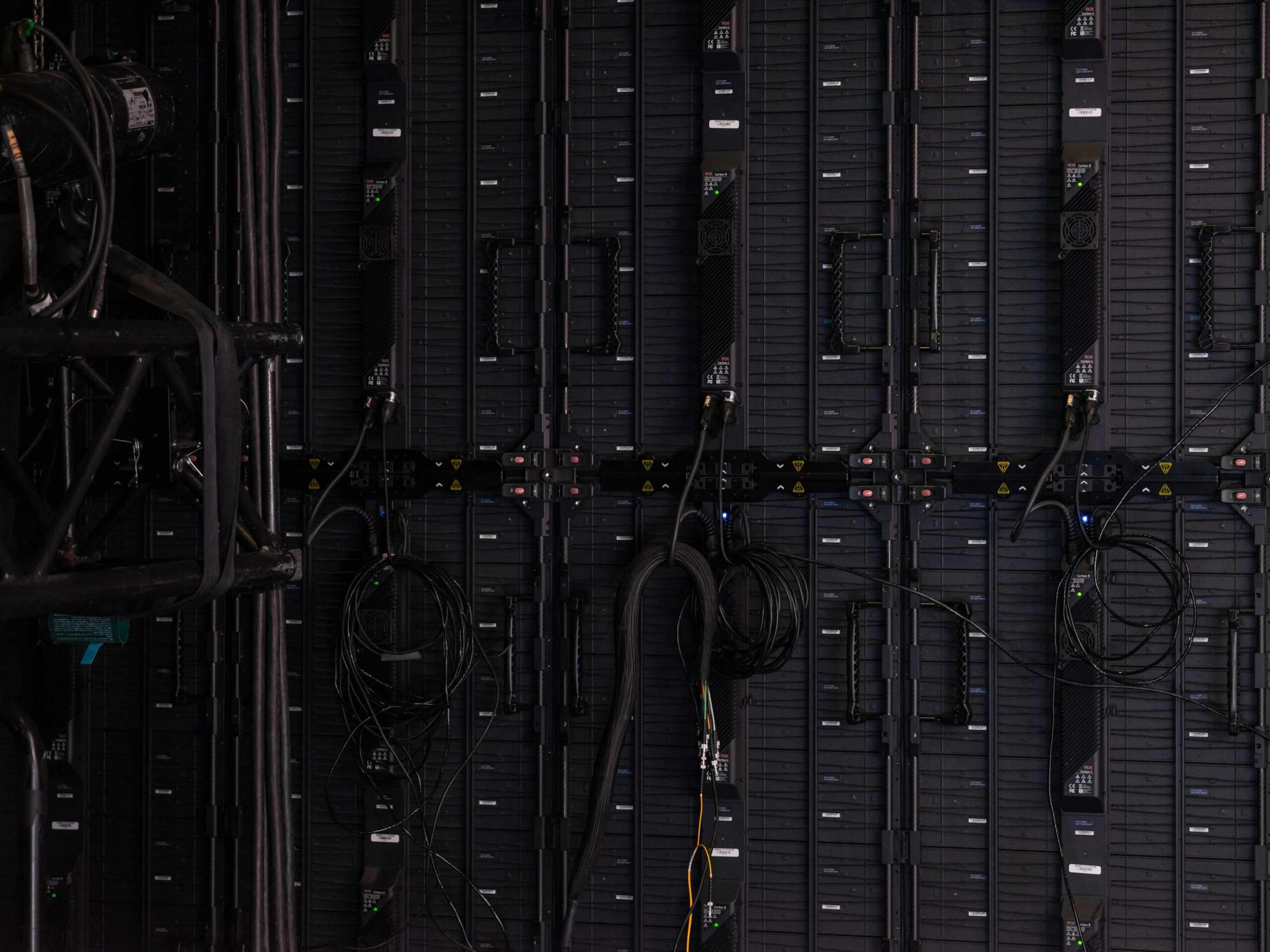
The first time someone explained serverless computing to me, I interrupted them. “So where does the code run?” “On servers.” This felt like a naming problem. It still is, slightly. Serverless does not remove servers. It removes a particular relationship with them. You write a piece of application logic, deploy it to a cloud platform,…
-
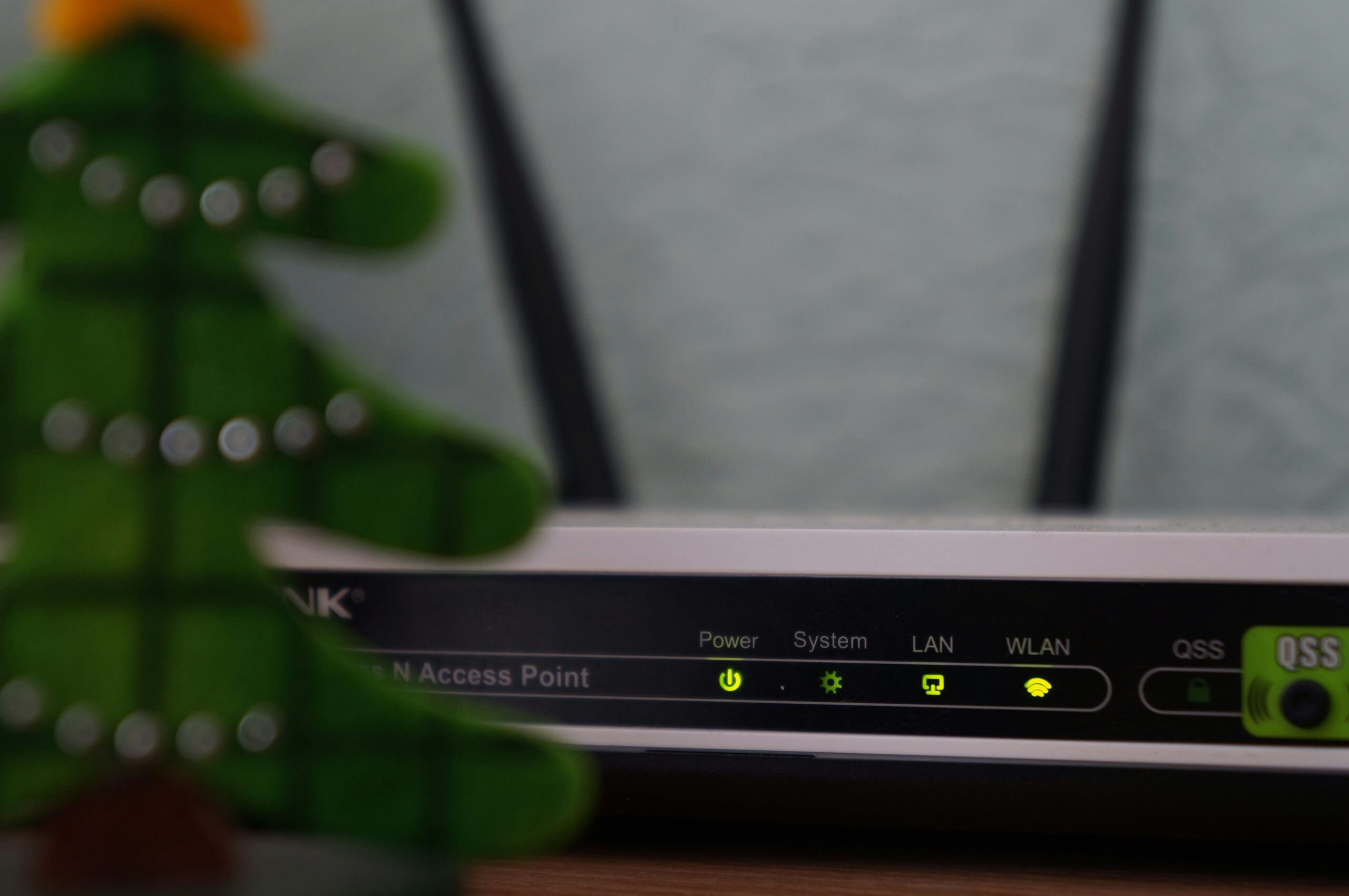
A friend upgraded his home router and immediately ran a speed test. The number barely changed. He looked genuinely disappointed. The box had promised much larger numbers, the new router had several dramatic antennas, and yet Netflix still opened at roughly the same speed. Nothing was wrong. His internet connection was the bottleneck. This is…
-
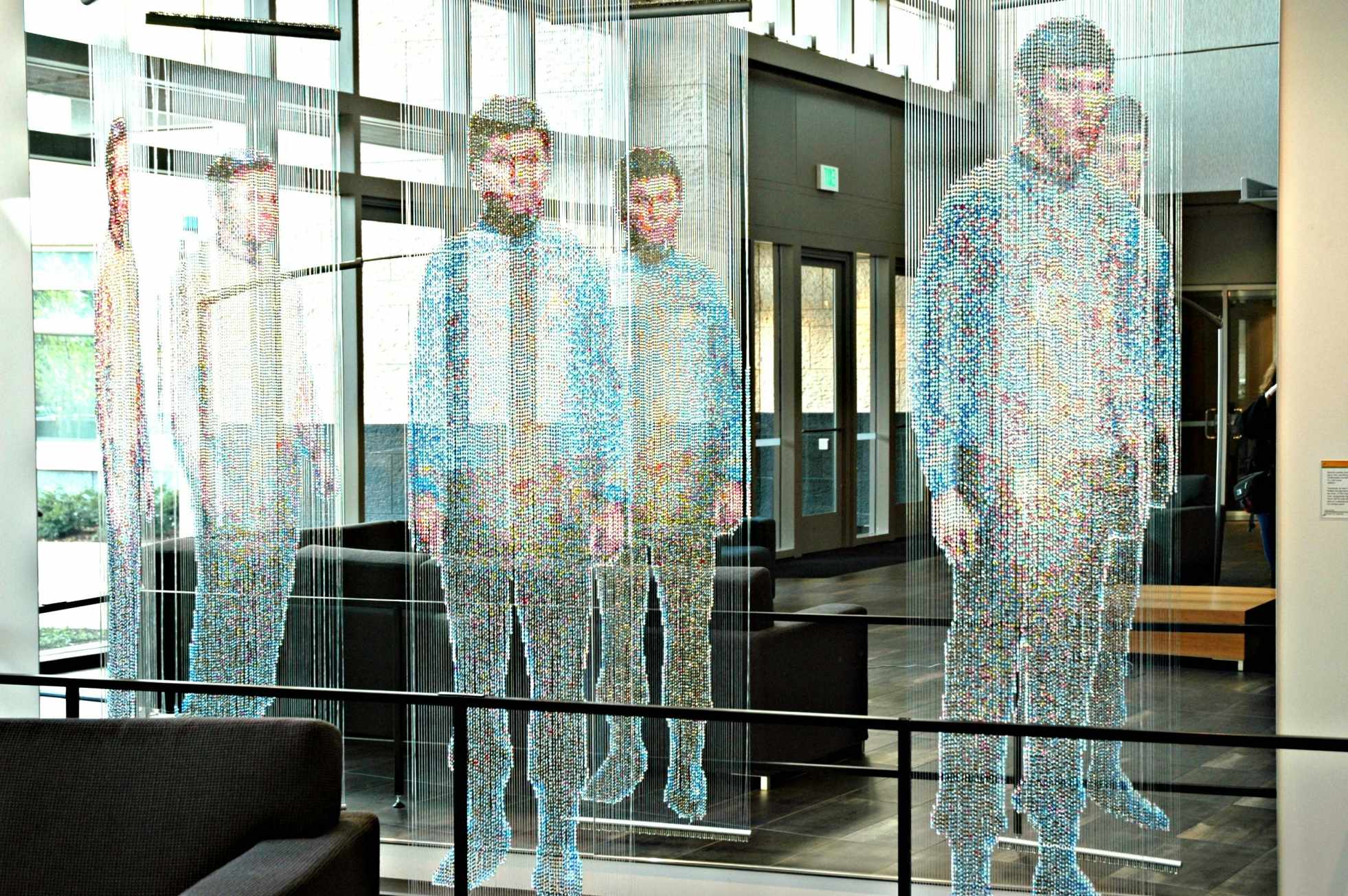
The phrase “digital twin” makes me think of a glowing 3D model floating above a conference table. That is probably the fault of technology marketing. The practical version is usually less cinematic. A company takes data from a real machine, building, vehicle or process and creates a digital representation that helps people understand what is…
-

The first time I used a serious photo editor inside a browser, I had the same reaction I get when hotel Wi-Fi works unusually well. Suspicion. The application felt too capable for a web page. Large files opened. Tools responded quickly. The whole thing behaved more like installed software than a tab I would accidentally…