
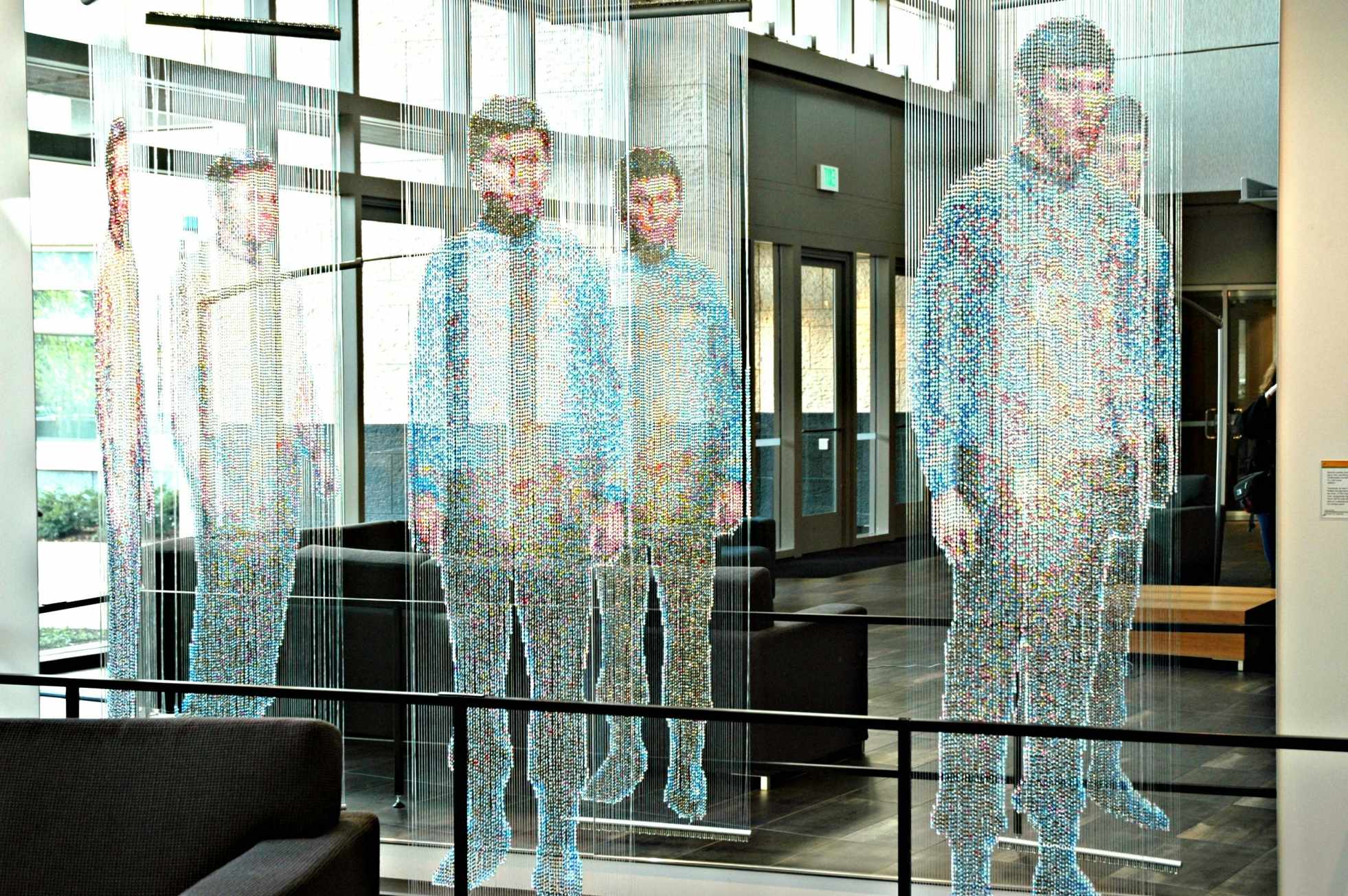
The phrase “digital twin” makes me think of a glowing 3D model floating above a conference table.
That is probably the fault of technology marketing.
The practical version is usually less cinematic. A company takes data from a real machine, building, vehicle or process and creates a digital representation that helps people understand what is happening, test changes or predict problems.
Sometimes there is a beautiful 3D model.
Sometimes it is basically a very intelligent dashboard.
I became more interested in digital twins after seeing a maintenance team use one for something wonderfully boring: deciding which air-conditioning equipment needed attention before summer.
No holograms. No dramatic control room.
Just fewer emergency repairs.
A model is useful when it stays connected to reality
Companies have used computer models for years.
The “twin” idea becomes more interesting when the model keeps receiving information from the real thing. Sensors report temperatures, vibration, energy use, speed or other conditions. The digital version changes as the physical system changes.
That creates a living picture instead of a one-time simulation.
A building manager can see which floors use unusually high energy. A factory team can notice that one motor behaves differently from similar machines. A logistics company can compare actual vehicle performance with expected performance.
The value comes from the connection.
Without fresh data, the twin slowly becomes a historical novel.
Not everything needs a 3D model
I have seen digital-twin presentations where enormous effort went into making the virtual object look exactly like the real one.
That can be useful for certain jobs.
If engineers need to understand spatial relationships, inspect a complex facility or plan physical changes, a visual model may be valuable.
But a beautiful model is not automatically a useful one.
If the maintenance team only needs to know that Pump 14 is running hotter than usual, a clear alert with recent history may do more than a realistic 3D pump rotating on screen.
Technology projects sometimes confuse visual sophistication with operational value.
Ask what decision the user is trying to make.
Then build enough twin to support that decision.
Sensors create the first awkward problem
A digital twin depends on data from the physical world.
Physical-world data is messy.
Sensors fail. Batteries die. Devices drift out of calibration. Network connections disappear. Someone replaces a machine but forgets to update the system. A temperature reading that looks alarming may simply come from a sensor mounted beside a sunny window.
This is where the glossy diagram meets Tuesday morning.
Teams need to know whether the incoming data is trustworthy. They need timestamps, device health information and ways to identify missing or impossible values.
Otherwise the digital twin becomes very good at visualising bad measurements.
The software can be correct and still describe the wrong reality.
Prediction is tempting
Once companies collect enough operating data, the natural next step is prediction.
Can we identify a machine likely to fail? Can we estimate how traffic will move through a station? Can we test a new warehouse layout before changing the physical space?
Sometimes yes.
This is where digital twins can save real money because physical experiments are expensive. Shutting down a production line to try a new configuration is inconvenient. Testing the idea virtually first is attractive.
But predictions depend on assumptions.
A model trained on normal operating conditions may behave badly during unusual events. A building model based on last year’s occupancy pattern may be wrong after a major office-policy change.
Prediction is advice, not prophecy.
People should know what the model has seen and where its confidence becomes thin.
Cities make the idea look bigger than it is
Smart-city projects love digital twins.
The scale is impressive: roads, public transport, buildings, energy use, construction and environmental data shown in one shared model.
There are legitimate uses. Planners can explore traffic changes, study flood risk or coordinate infrastructure work.
The danger is trying to create a perfect virtual city before solving one practical problem.
Cities contain different agencies, data formats, ownership rules and systems built decades apart. Connecting everything is not only a technical project. It is organisational diplomacy.
Start with one decision.
Maybe roadwork planning. Maybe drainage. Maybe public-transport demand.
A smaller twin that changes a real decision is more valuable than a giant model everybody shows visitors but nobody trusts.
Ownership becomes complicated quickly
Who owns the data in a digital twin?
The equipment manufacturer? The company operating the equipment? The building owner? The tenant? The vendor hosting the platform?
This question becomes especially uncomfortable when detailed operational data leaves the organisation.
A factory twin may reveal production volumes. A building twin can reveal occupancy patterns. A vehicle twin may contain location and driver behaviour.
Useful operational data is often sensitive business data.
Access rules need to be designed before every department gets a login and starts exporting things.
“Single source of truth” sounds attractive until twenty teams have different definitions of who is allowed to see the truth.
The twin needs maintenance too
This irony makes me laugh.
Companies build digital twins partly to improve maintenance of physical assets. Then the digital twin becomes another asset that needs maintenance.
Machines are replaced. Sensor names change. Software versions move. Floor layouts are modified. New data sources appear. Old integrations break.
If nobody owns the model, it drifts.
Six months later, users stop trusting it because the virtual version no longer matches what they can see with their eyes.
Trust is difficult to win back.
A digital twin should have a clear operational owner, not merely a project team that disappears after launch.
AI makes the interface more interesting
One reason digital twins are becoming easier to use is that people may not need to learn every dashboard.
An AI assistant could let an engineer ask, “Which machines showed unusual vibration this week?” or “What changed before energy use increased on the third floor?”
That conversational layer can be helpful.
But it adds another opportunity for confident misunderstanding.
The AI still needs the right data, the right time period and the right interpretation of equipment names. Important conclusions should link back to measurements people can inspect.
A chat interface should make the twin easier to question, not harder to verify.
Start with an expensive annoyance
If I were considering a digital-twin project, I would not begin with “We need a digital twin.”
I would begin with an expensive annoyance.
Unexpected maintenance. Energy waste. Slow commissioning. Capacity problems. Repeated design changes. Something people already complain about.
Then ask whether a connected model would improve the decision.
This keeps the project grounded. It also gives you a way to measure whether the twin is worth maintaining after the demo.
The air-conditioning team I mentioned did not care what the technology was called.
They cared that they could schedule repairs before the hottest week of the year.
That is probably the right level of excitement.