
Author: Johnson Frank
-

I once watched two developers spend twenty minutes arguing with a merge conflict that involved four lines of code. Not four hundred. Four. One person had renamed a button. The other had changed what happened when it was clicked. Git displayed the usual brackets and arrows, both developers sighed, and someone in Slack posted the…
-
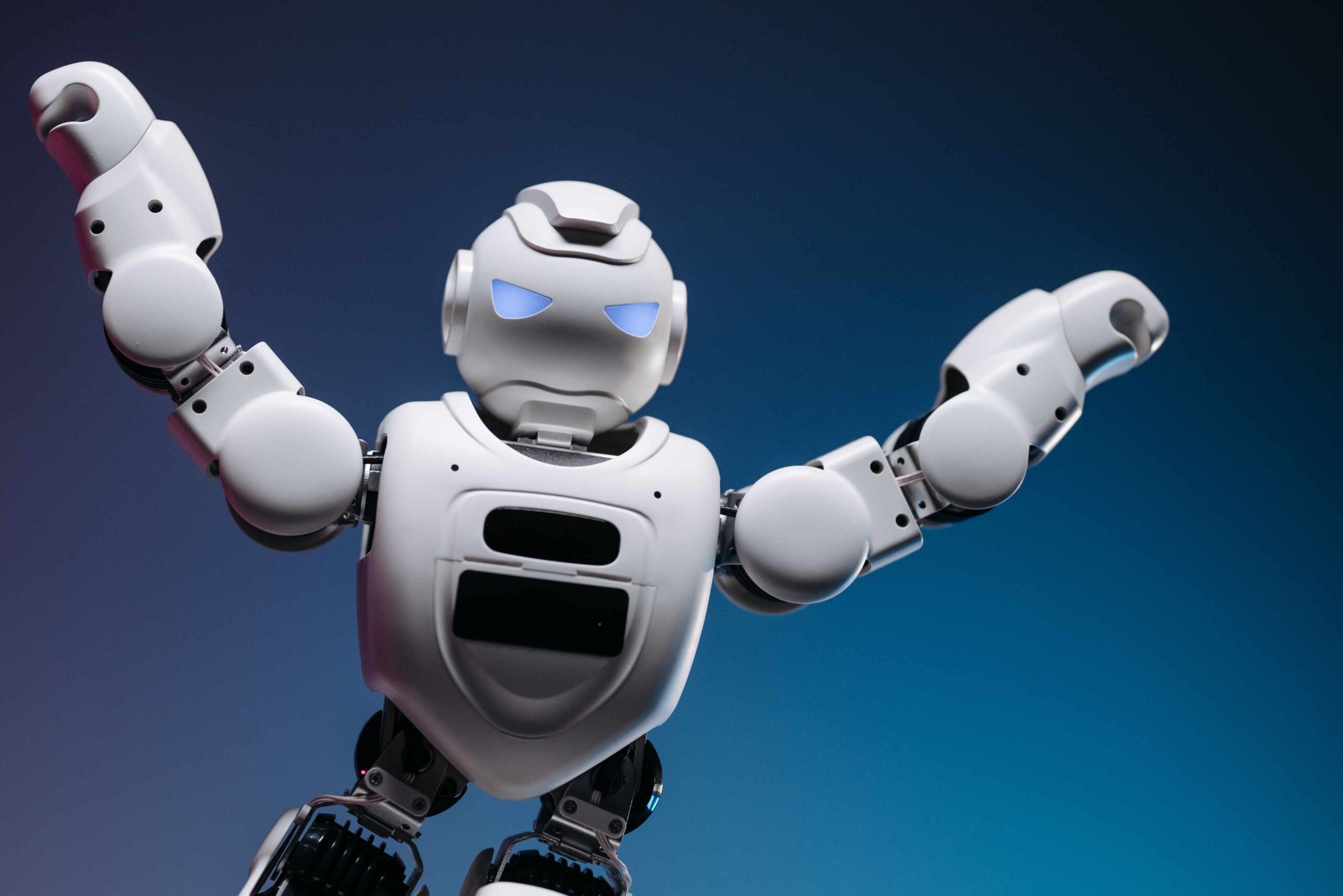
An AI once gave OpenAI researcher Adam Tauman Kalai three different titles for his own doctoral dissertation. None was correct. Asked for his birthday, it supplied three different dates, also wrong. The interesting part wasn’t the error. Search engines return bad results every day, and colleagues misremember things all the time. What stood out was…
-

A photo-editing app once asked for access to every photo on my phone. I wanted to remove a shadow from one image. The request felt absurd, but the Allow button was large, the alternative required another screen, and I was in a hurry. That is how many privacy decisions happen. Not after careful thought. Not…
-
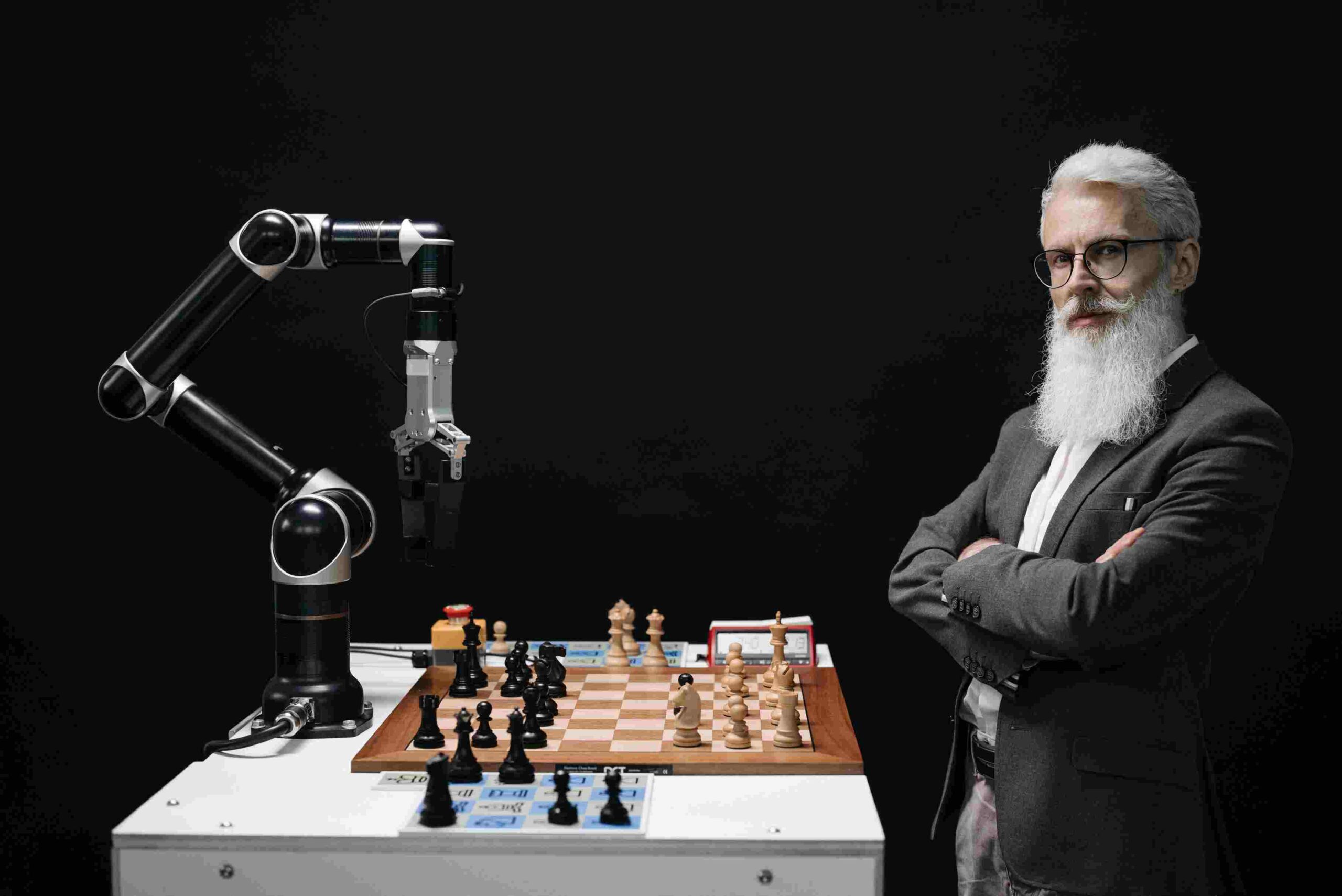
For the first few years of the generative AI boom, the arrangement was simple. You asked a question. The AI answered. Then everyone went back to doing the actual work. Now AI systems are asking for access to calendars, files, email, browsers, databases and business tools. They do not merely want to suggest the next…
-

A security camera outside an office noticed movement at two in the morning. The video travelled to a remote cloud service, which analysed it and sent an alert. By the time the notification arrived, the moving object had left. It was a plastic bag. No disaster. Just an example of strange technology architecture. A camera…
-

There is a particular kind of silence that arrives when your phone loses signal somewhere you actually need it. The map stops updating. Messages sit with a tiny clock beside them. You raise the phone toward the car window as though the extra thirty centimetres might negotiate with the mobile network. For decades, dead zones…
-

AI is usually presented as something weightless. A prompt goes into a box. Words appear. Somewhere, apparently, there is a cloud. The cloud has buildings. Inside those buildings are racks of computers drawing enormous amounts of electricity, producing heat and requiring cooling, networking, backup systems and actual land. The rapid growth of AI has made…
-
There is a security project that sounds as if it belongs ten years in the future and somehow creates work today. Post-quantum cryptography has that problem. Mention quantum computers in a normal office meeting and half the room expects science fiction. Yet the practical work is much less dramatic. Companies use encryption everywhere: websites, VPNs,…
-
The first time someone explained serverless computing to me, I interrupted them. “So where does the code run?” “On servers.” This felt like a naming problem. It still is, slightly. Serverless does not remove servers. It removes a particular relationship with them. You write a piece of application logic, deploy it to a cloud platform,…
-
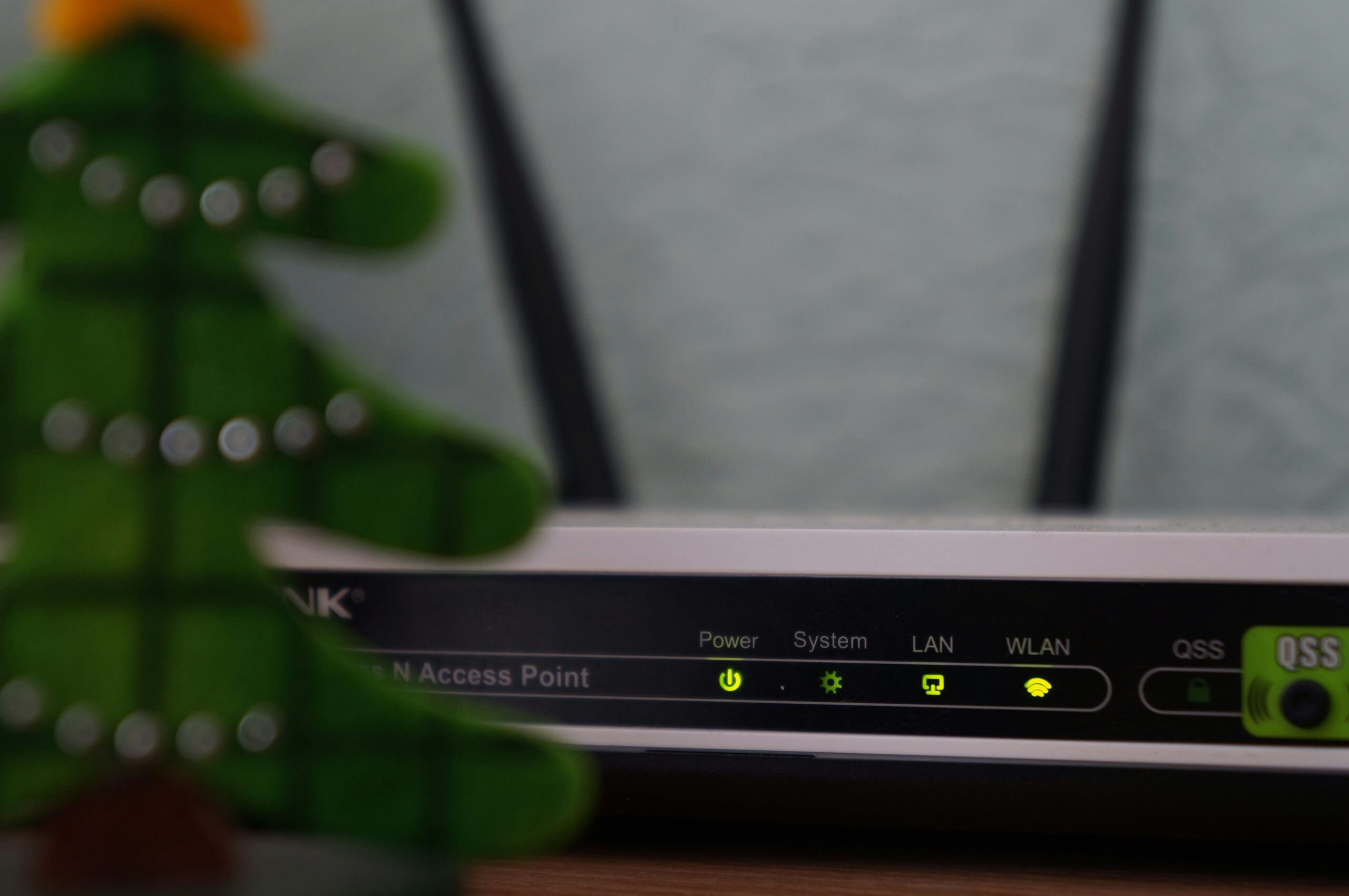
A friend upgraded his home router and immediately ran a speed test. The number barely changed. He looked genuinely disappointed. The box had promised much larger numbers, the new router had several dramatic antennas, and yet Netflix still opened at roughly the same speed. Nothing was wrong. His internet connection was the bottleneck. This is…