
A security camera outside an office noticed movement at two in the morning.
The video travelled to a remote cloud service, which analysed it and sent an alert. By the time the notification arrived, the moving object had left.
It was a plastic bag.
No disaster. Just an example of strange technology architecture. A camera had sent video across a network so a distant computer could discover that the wind exists.
Cloud computing is extremely useful. Edge computing exists because sending everything far away is not always the smartest first move.
The cloud made computing rentable
Cloud computing lets companies use servers, storage and databases without owning the physical infrastructure.
A startup can launch without buying machines. If demand grows, it adds capacity; if the project fails, there is no rack of servers to sell. This flexibility changed software.
The cloud also offers managed databases, global storage, analytics and powerful AI infrastructure.
People use cloud systems without thinking: photos sync, email arrives and documents open across devices. Becoming ordinary is usually a sign of success.
Distance still exists
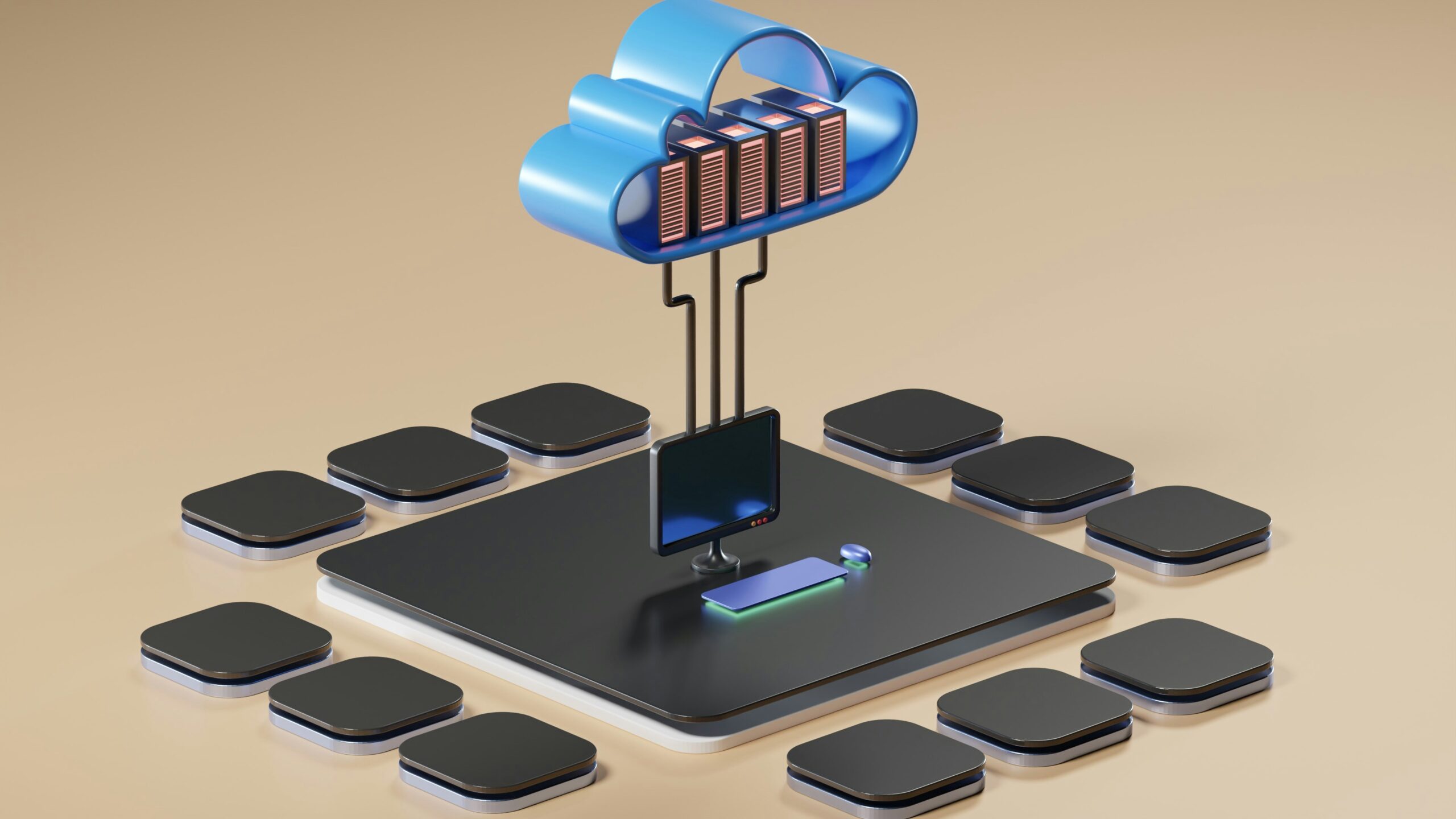
Marketing diagrams draw the cloud as a shape floating above everything.
In reality, cloud services run in data centres located somewhere.
Data takes time to travel and return. Usually the delay is tiny; an extra fraction of a second for email search is not a crisis.
Other situations are less forgiving.
A factory machine may need to react immediately. A vehicle cannot wait for a distant server, and a payment terminal may need to work when the network fails.
Edge computing places some processing closer to where data is created.
The edge might be the device, a local gateway or a nearby server. The point is reducing the journey.
Your phone already lives in both worlds
A modern phone is an easy example.
Some tasks, such as face recognition or keyboard suggestions, run locally for speed and privacy. Backups, syncing and heavier AI work use the cloud.
The phone does not choose one philosophy.
It processes locally when that makes sense and uses the cloud when remote power helps. Most useful systems need both.
The interesting question is where each piece of work belongs.
Speed is the obvious reason
Edge computing is attractive when delay matters.
A factory can analyse sensor data near machinery and stop equipment quickly. A store can process camera information locally. A vehicle can detect an urgent warning without mobile coverage.
Not every edge decision is dramatic.
A video call can adjust sound locally. A gaming system may process nearby interactions to reduce lag. A store display can continue functioning during a temporary connection problem.
Small delays become noticeable when repeated. People tolerate a slow report; they dislike a slow button every time.
Privacy can improve, but not automatically
Processing data locally can reduce the amount sent to central servers.
A camera might transmit an event rather than full video. A health device could detect an unusual reading locally before sending an alert.
That can improve privacy.
It can create false confidence. Edge devices still need updates, access controls and physical protection; a public device may be easier to reach than a guarded server.
Local does not mean secure by default.
It means the security problem is distributed across many locations.
That can be harder to manage.
The cloud remains better at heavy work
Edge devices usually have limited power, storage and cooling.
They make quick decisions, but training large AI models or analysing years of data belongs in larger infrastructure.
A factory may detect a fault at the edge, then upload selected data for long-term analysis. Local handles urgency; cloud finds broader patterns.
This division is practical.
Trying to perform every task on a small device increases cost and complexity. Sending every task to the cloud increases delay, network usage and dependence on connectivity.
Architecture is the art of choosing which inconvenience you prefer.
Network failure changes the design
Many applications assume the internet will remain available.
Then someone enters a basement, rural area or warehouse with unreliable coverage.
Edge processing can help systems continue during disconnection. A payment terminal can store transactions temporarily, equipment can keep monitoring safety and navigation can use downloaded maps.
When the connection returns, data synchronises. Then local and cloud records may disagree. Which update wins?
Offline operation sounds simple until information needs to merge.
Still, for systems that must keep working, this complexity is necessary. “The Wi-Fi was down” is not an acceptable explanation for every service.
Cost refuses to choose a winner
Cloud computing reduces upfront hardware spending, but ongoing usage can become expensive.
Moving data and storing it forever costs money. A badly configured service can scale automatically and produce a bill with admirable efficiency.
Edge computing requires devices, installation, maintenance and replacement. Managing thousands of devices across several locations is not cheap either.
The better option depends on the workload.
Processing video locally may reduce network costs; central cloud infrastructure may be cheaper than powerful computers at every site. The people required to operate either system also cost money.
A complicated edge fleet needs technicians. A complicated cloud environment needs engineers who remember why seventeen services exist.
Security has two different shapes
Cloud systems concentrate data and computing in managed environments. Large providers invest heavily in physical and technical security, but centralised systems are attractive targets.
Edge computing spreads processing across devices. One breach may affect less data, but the number of entry points increases.
Neither approach wins by definition.
The cloud needs identity management and monitoring. Edge devices need secure updates, authentication and plans for obsolete hardware.
The worst setup is often a hybrid system built without hybrid responsibility. The cloud team assumes devices are managed locally. The local team assumes the cloud platform controls updates.
Attackers enjoy organisational ambiguity.
Put urgent work nearby
A useful rule is to keep immediate decisions close and send broader analysis to the cloud.
A camera can detect motion locally and upload relevant clips. A vehicle can respond to road conditions immediately and later send performance data for fleet analysis. A store can process current inventory signals on site and use the cloud for forecasting across locations.
It is not universal, but it is a good start.
Ask how quickly the result is needed, how sensitive the data is, whether the system must work offline and how much computing power the task requires.
The answer tells you where the work probably belongs.
That security camera was later configured to classify simple motion locally before uploading video.
The plastic bags lost access to the cloud.