
Author: Johnson Frank
-
The first time someone explained serverless computing to me, I interrupted them. “So where does the code run?” “On servers.” This felt like a naming problem. It still is, slightly. Serverless does not remove servers. It removes a particular relationship with them. You write a piece of application logic, deploy it to a cloud platform,…
-
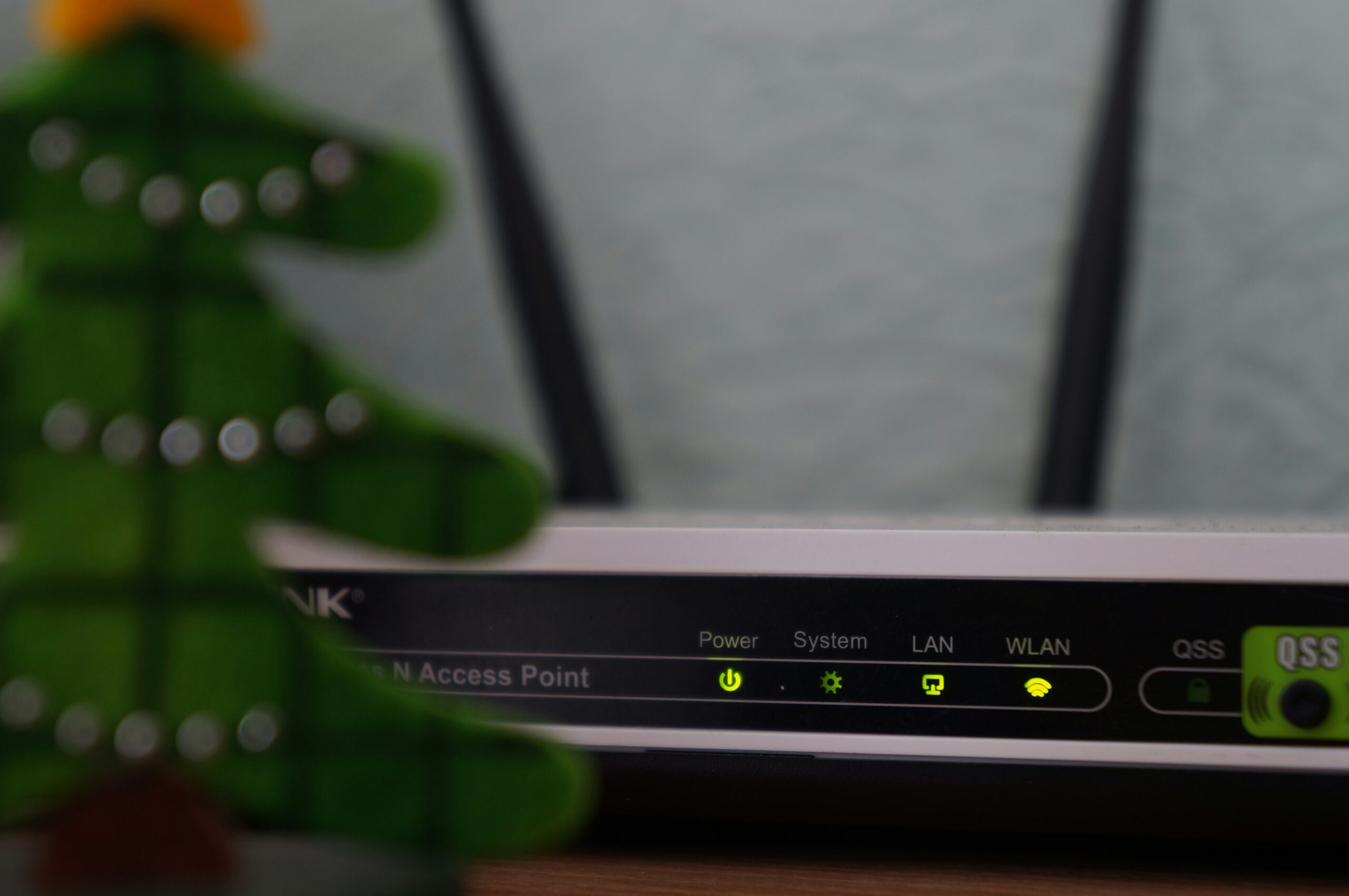
A friend upgraded his home router and immediately ran a speed test. The number barely changed. He looked genuinely disappointed. The box had promised much larger numbers, the new router had several dramatic antennas, and yet Netflix still opened at roughly the same speed. Nothing was wrong. His internet connection was the bottleneck. This is…
-
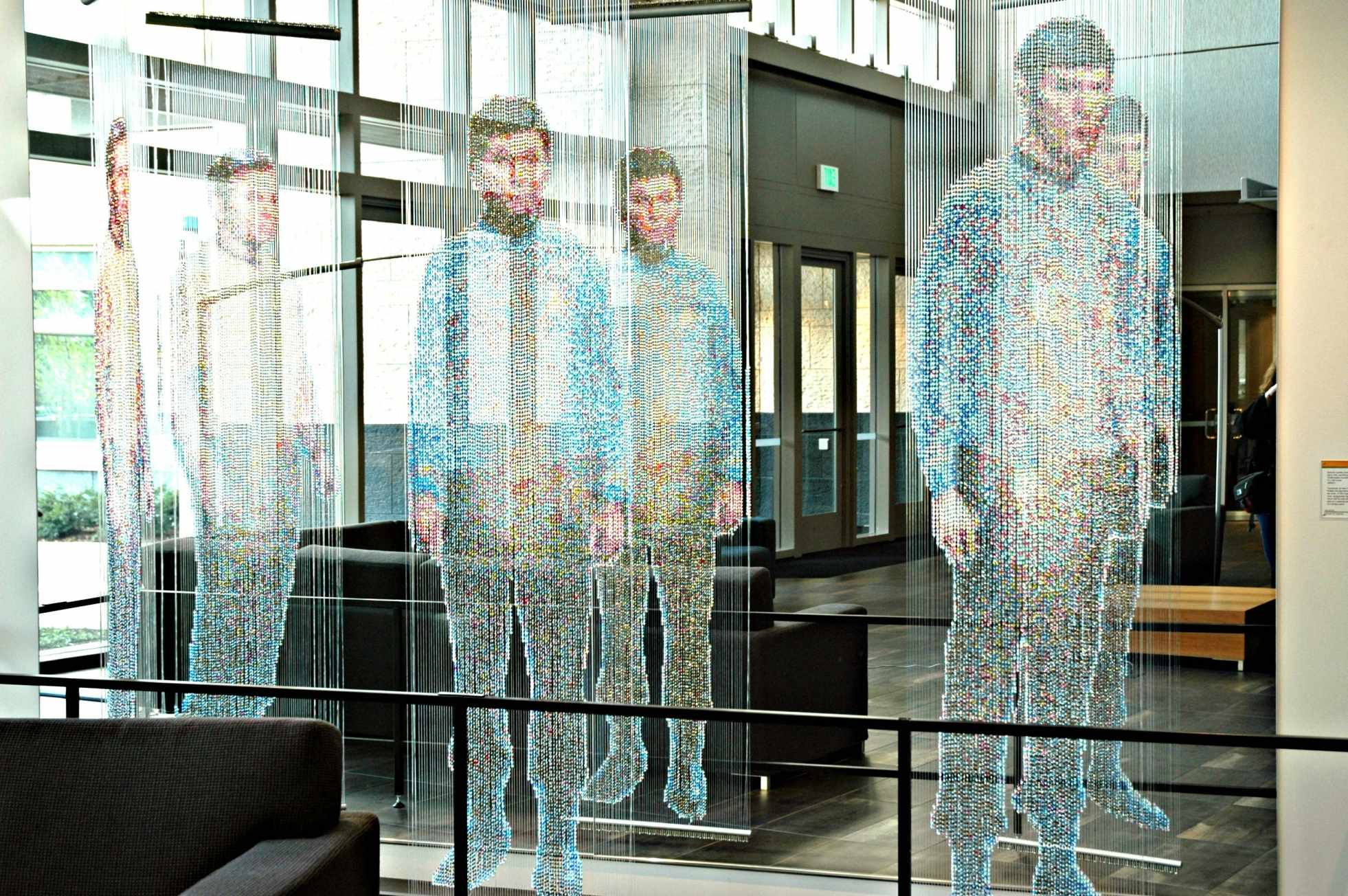
The phrase “digital twin” makes me think of a glowing 3D model floating above a conference table. That is probably the fault of technology marketing. The practical version is usually less cinematic. A company takes data from a real machine, building, vehicle or process and creates a digital representation that helps people understand what is…
-

The first time I used a serious photo editor inside a browser, I had the same reaction I get when hotel Wi-Fi works unusually well. Suspicion. The application felt too capable for a web page. Large files opened. Tools responded quickly. The whole thing behaved more like installed software than a tab I would accidentally…
-

A friend sent me a video of a famous person saying something ridiculous. “Real?” he asked. Five years ago, I would have watched the face carefully, looked for strange blinking and declared myself an amateur forensic expert. Now I do something much less satisfying. I check where the video came from. Deepfakes and AI-generated media…
-
“Zero trust” sounds hostile. The phrase makes me picture an office where everyone is suspicious of everyone else and a security guard follows employees to the coffee machine. The actual idea is less dramatic. For years, company networks often worked on a simple assumption: people and devices inside the corporate network were safer than things…
-

A note-taking app once refused to show me my own notes because the train had entered a dead zone. The notes were on the device. I had opened them earlier that morning. Still, the app wanted to talk to a server before behaving normally. I stared at the loading spinner with unnecessary anger. That moment…
-
A developer once described a memory bug to me using a sentence I still remember. “The program is reading something that no longer belongs to it.” That sounded less like software engineering and more like a boundary dispute. Languages such as C and C++ give programmers enormous control over how memory is used. That control…
-

I stopped wearing a smartwatch to bed because it annoyed me. Not in a dramatic way. It was simply another screen on my wrist, glowing occasionally, bumping against the pillow and reminding me that even sleep had become something I was apparently supposed to optimise. A friend suggested a smart ring. My first reaction was…
-

My old laptop once needed a new battery. The battery itself was not the problem. Finding out whether I could replace it without turning the laptop into an expensive puzzle was the problem. I watched repair videos, checked parts websites and discovered that one version of the model used different adhesive from another. Eventually the…